Heritage building, Mullumbimby and the Byron Shire
Working with period homes, heritage-listed buildings and conservation areas, drawing on a decade of inner Sydney heritage experience.
Heritage work, properly understood
Heritage is not a single thing. It covers a range of categories that affect how a renovation can be done: heritage-listed properties, properties inside conservation areas, properties with heritage overlays, and older homes without formal protection that still need careful handling. The constraints vary, and so does the approval path. Some projects require Heritage Council consultation. Others sit comfortably within a standard DA. Most need a builder who understands what is worth preserving in the existing building and what needs to be rebuilt.
The work itself rewards experience. Older buildings rarely match their drawings. Walls have moved. Materials behave differently from modern equivalents. Hidden services, asbestos, moisture, original framing that is not where it should be: these are normal discoveries on a heritage project rather than surprises. The builder’s job is to plan for that reality from the start, work alongside the architect and the council, and deliver a result that respects the building’s character while making it work for the people who will live in it.
Canstruct’s approach to heritage work is steady, methodical and unhurried. The work does not reward shortcuts.
A decade of Sydney heritage
The first ten years of Canstruct’s Australian operation were largely heritage and period home work in inner Sydney. Several of those projects are still the reference points for how the business approaches heritage today.
Ridge 3, Surry Hills. A terrace renovation in a conservation heritage area, one of three Canstruct-renovated terraces in a row on the same street. Extensive internal renovation and attic conversion, with Ken Powell Architect. The project was published in Kitchen & Bathroom Quarterly, Issue 24 Volume 3.
Glebe Point Rd, Glebe. A terrace in a heritage-listed area. Three new bathrooms, four bedrooms, laundry, polished concrete slab, new timber flooring throughout, a professionally designed kitchen and staircase, and the reframing of the entire floor. Moisture management was carried out as part of the renovation. The project ran from late 2020 to late 2022.
Curtis Rd, Balmain. A c.1860 sandstone home, believed to be one of the oldest residences in Balmain, originally built as a corner shop. Extensive renovations including new bathrooms and kitchen, a new front parking area and an internal home lift, with Joseph Grech Architects. The build ran from mid 2018 to 2019.
Margaret, Newtown. A heritage end terrace, with two new bathrooms, a bedroom extension, new floors throughout, a new staircase and kitchen, and waterproofing of the external terrace end wall, which was then finished with a painted mural.
Tree House, Lilyfield. A heritage timber cottage with a major rear extension. The site was a sloped lot with restricted access, the project ran through the 2021 Sydney lockdown, and the build included excavating a sunken lounge and kitchen beneath the existing roofline to gain head height, plus an upper office space. With Retallack Thompson, published in Houses Magazine, December 2024.
Heritage work in the Northern Rivers
The discipline that heritage work builds, working carefully with what is there, navigating council requirements, preserving what matters and rebuilding what does not, applies directly to older homes in the Byron Shire even where the building stock looks different.
If you have a heritage home in the region, whether listed, in a conservation area or simply old enough to need careful handling, Canstruct’s Sydney experience translates straight across. The skills are in reading existing structures, working with the constraints, and getting the detail right.
Recent heritage projects
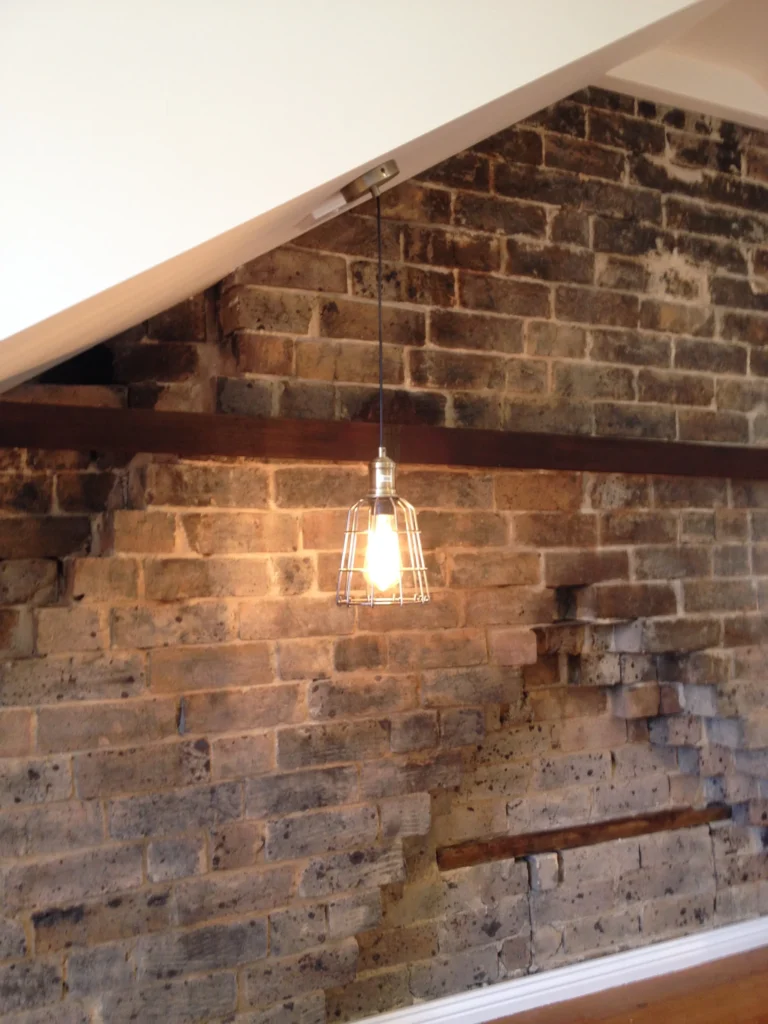
Ridge 1
Surry Hills /
Heritage
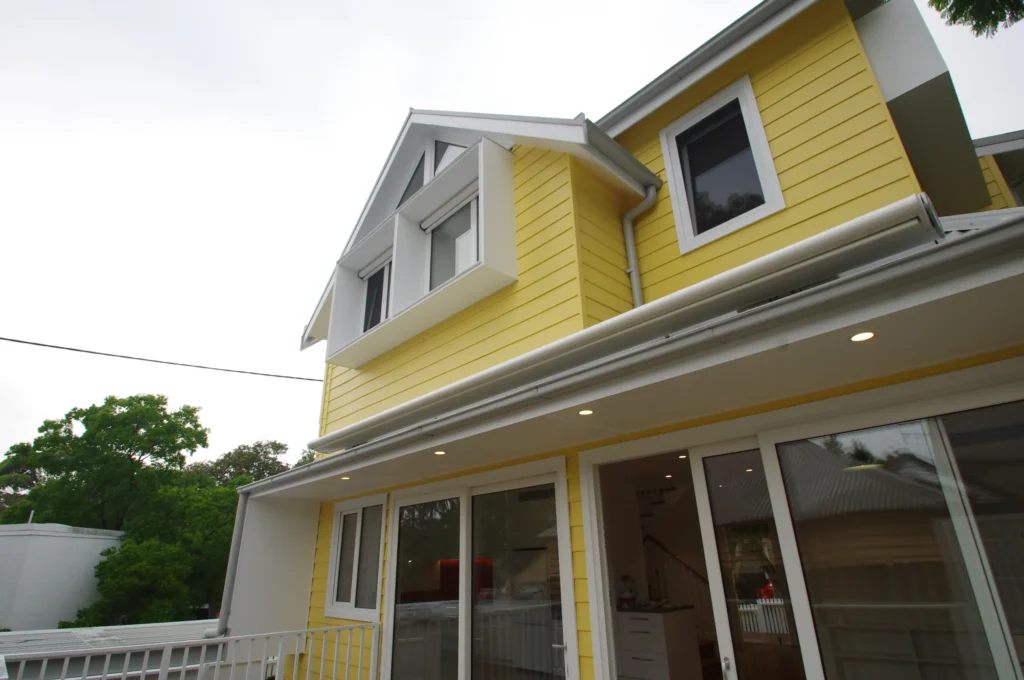
Curtis Rd
Balmain /
Heritage
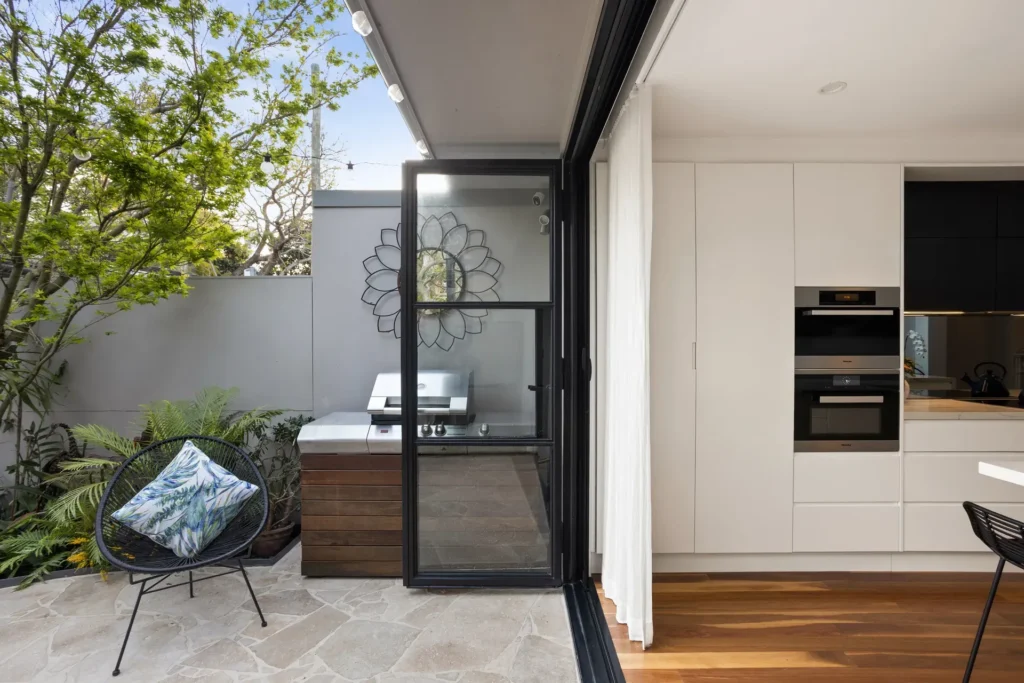
Ridge 3
Surry Hills /
Heritage
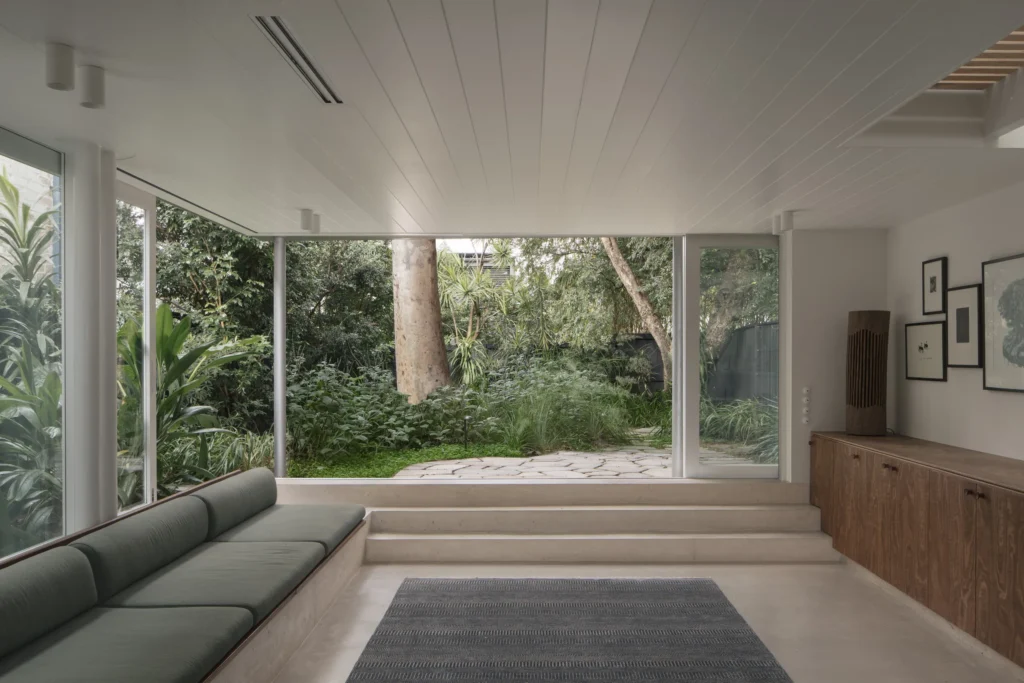
Tree House
Lilyfield /
Heritage
Areas we service
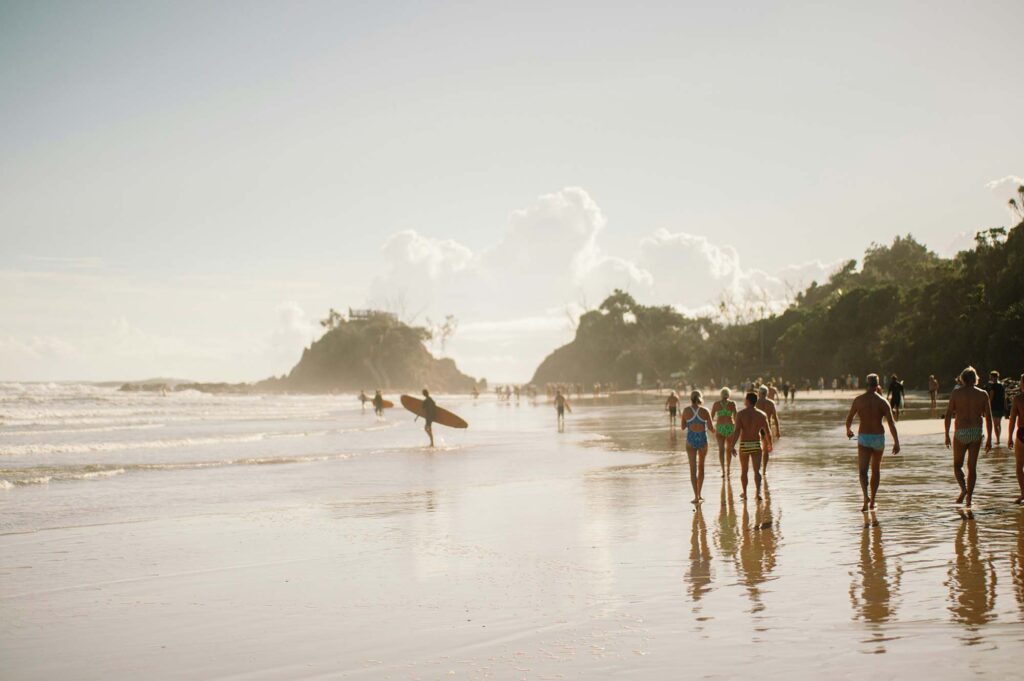
Mullumbimby and across the Byron Shire: Brunswick Heads, Ocean Shores, Byron Bay, Bangalow, New Brighton and South Golden Beach. Sydney heritage work continues for existing clients.
Talk to us about your heritage project
If you are planning a renovation on a heritage home, the place to start is a conversation about the building, the project and the constraints.