Renovation builder, Mullumbimby and the Byron Shire
Canstruct Builders delivers considered residential renovations across Mullumbimby, Brunswick Heads, Ocean Shores, Byron Bay, Bangalow, New Brighton and South Golden Beach.
The kind of renovation we take on
Canstruct’s renovation work is substantial rather than cosmetic. The projects we take on usually involve structural change, services replacement, multiple rooms and council approval. The smallest jobs are a full kitchen or bathroom rebuild integrated with adjacent living spaces. The largest are whole-home renovations that strip an existing house back to its frame and rebuild from there, often with an extension attached.
Most of the homes we renovate have been around for a while. Period homes, beach houses, family homes that have had decades of life in them and are ready for the next chapter. These projects do not reward a project-builder approach. They reward a builder who reads the existing structure carefully, plans for what is likely behind the walls, and works closely with the architect or designer to deliver the result the drawings actually describe.
This page covers what is typically involved in a renovation with Canstruct, the kinds of homes we work on, and how the project runs from the first conversation through to completion.
What's involved in a renovation
Most renovations involve some combination of the work below. The mix depends on the home and the brief.
Kitchens
Full kitchen renovations are some of the most rewarding work in a home and some of the most demanding to deliver well. The kitchen sits at the centre of the house, integrates with the living spaces around it, and pulls in joinery, stone, plumbing, electrical, gas, ventilation, lighting and flooring. The work has to coordinate trades carefully. Canstruct manages all of this on site, working with cabinet makers, stone suppliers, electricians and plumbers to deliver a kitchen that performs as well as it looks.
Bathrooms, ensuites and laundries
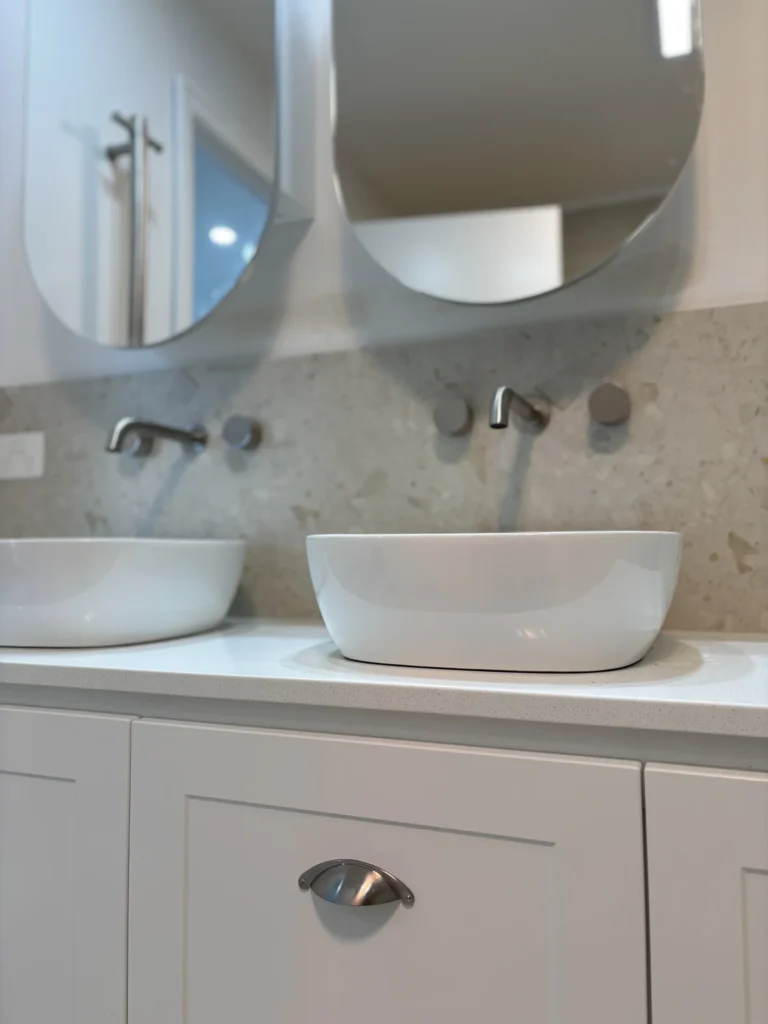
Bathroom renovations are precise work. Waterproofing has to be done properly or the whole job fails over time. Tiling tolerances are tight. Fixtures, vanities and shower screens need joinery that fits the space. Recent projects have included two new bathrooms, a laundry and a butler’s pantry at Alston Ave in Alstonville, three new bathrooms during the Glebe Point Rd renovation in Sydney, and full ensuite additions on first floor extensions including Garnet 1 in Lilyfield.
Internal reconfiguration
Removing walls to open up living spaces, straightening walls that are not where the plans say they are, reframing floors, restructuring layouts. Most renovations on older homes involve some version of this work. At Maddison in Redfern, internal masonry walls were removed to open up the main living space for a new kitchen and dining area, with new sliding doors opening onto an outdoor deck. At Alston Ave, the existing house had angled wall lines that needed straightening before the new layout could go in.
Structural work
Underpinning, footing repairs, removing load-bearing walls, reframing, slab work. Older homes often need structural attention as part of a renovation. Garnet 2 in Lilyfield involved structural footing underpinning to address issues discovered during the build. Glebe Point Rd required reframing of the entire floor. This kind of work is rarely on the plans at the start; the builder needs to plan for it as a possibility and have the trades to deliver it without derailing the program.
Outdoor additions
Decks, pergolas, pools, covered entries, outdoor living spaces. These are often part of a renovation rather than a separate project. The Tree House renovation in Lilyfield included an excavated sunken lounge and a fully reworked rear of the home. Alston Ave added a covered new entry, a new rear deck and a flyover. The work has to integrate properly with the existing house, structurally and visually.
Waterproofing and moisture management
Older homes and coastal buildings carry moisture challenges that modern builds do not. Part of renovating them well is managing water properly: terrace and wet-area waterproofing, drainage, sealing and the detailing that keeps water where it belongs. Where older buildings show signs of damp, the work is to identify the source, address the affected materials and improve the conditions as part of the broader renovation. At Glebe Point Rd, moisture management formed part of a full heritage renovation. At Margaret in Newtown, the external terrace end wall was waterproofed and then finished with a painted mural.
The homes we renovate
The homes Canstruct renovates tend to fall into three groups.
Heritage and period homes
Renovating a heritage home requires a different skill set to building one from scratch. Walls are rarely where the plans say. Materials behave differently. Council approvals are tighter. Ten years of Sydney terrace and period home work informs the way Canstruct approaches heritage projects locally. Recent and historical examples include Ridge 3 in Surry Hills (terrace renovation in a conservation heritage area, published in Kitchen & Bathroom Quarterly), Glebe Point Rd (heritage-listed area, full internal renovation with structural reframing) and Margaret in Newtown (heritage end terrace).
Beach houses and coastal homes
The salt environment, sun exposure, prevailing winds and lifestyle of coastal homes all shape the way they are renovated. Materials need to handle the conditions. Indoor and outdoor living often blur. Recent beach house work includes Beach St in South Golden Beach (two-storey rear extension and enlarged deck on a long-held family holiday house), Jarrah 1 and 2 in Ocean Shores (Passivhaus new home and subsequent extension on the same property), Gaggin St in New Brighton (current project preserving a two-storey beach house with external steel work and asbestos removal in a spray zone), and Wave Hill House in Lennox Head.
Family homes ready for the next chapter
Family homes that need to grow with the people in them. New layouts, more light, more usable outdoor space, an extra bedroom or bathroom. The Tree House in Lilyfield was a renovation and extension for a growing family, with the architect Retallack Thompson. Garnet 1 and 2 in Lilyfield both involved adding parents’ retreats and ensuites for growing families. Alston Ave in Alstonville was a comprehensive internal renovation for a family ready to move in, with a new master bedroom, study, butler’s pantry and rear deck.
From first conversation to completion
A renovation with Canstruct runs through five clear stages. There is a full Process page covering the detail; the summary below is what to expect specifically on a renovation.
The first stage is an initial conversation and site visit. The aim is to understand the project, the existing home, the rough budget and what approvals are already in place. We check the existing services, whether there is a development application (DA), what engineering has been done, and whether a certifier (PCA) has been selected.
Second, from there, Canstruct prepares a written scope of work and a tender summary, which breaks the project down so you can see what is included and what is not. That document is yours to use, including for comparing other builders.
Third, if we move forward, the project enters contract. The building contract takes the scope as its basis, and Home Owners Warranty insurance is issued.
Fourth, once signed, Canstruct sets up site, mobilises trades and starts work. During the build, you will have regular communication, council and certifier inspections at the right points, and reporting against cost and budget.
Fifth, the project finishes with handover, final certification and the defect period. Occupation certificate stage inspections are conducted and warranties handed over.
Recent renovation projects
A selection of completed and in-progress renovation work.
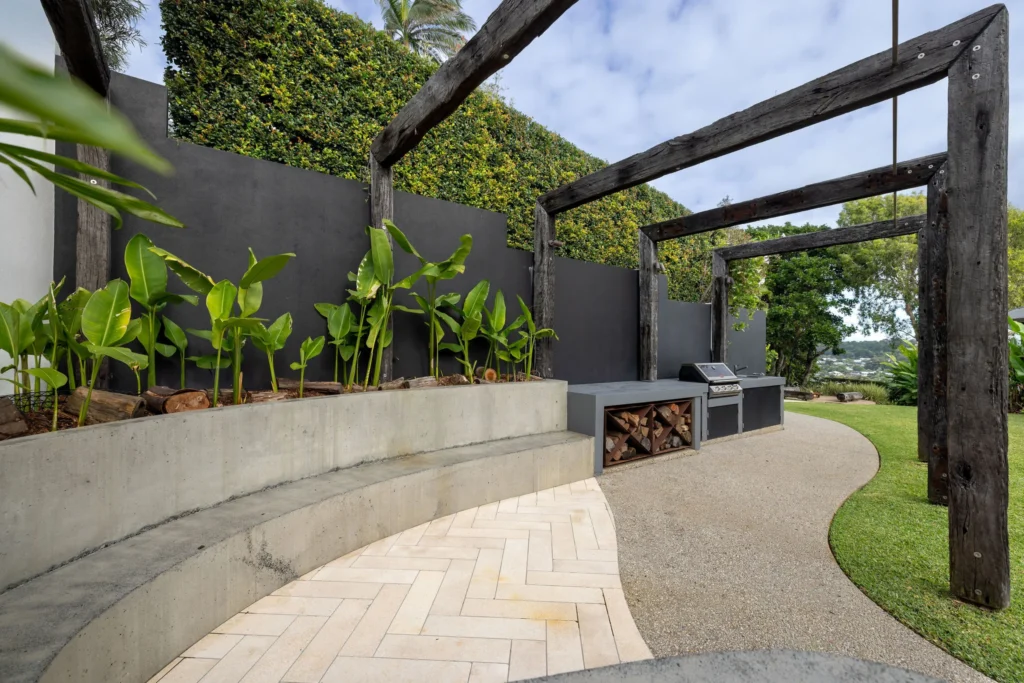
Wave Hill House
Lennox Head /
Remedial
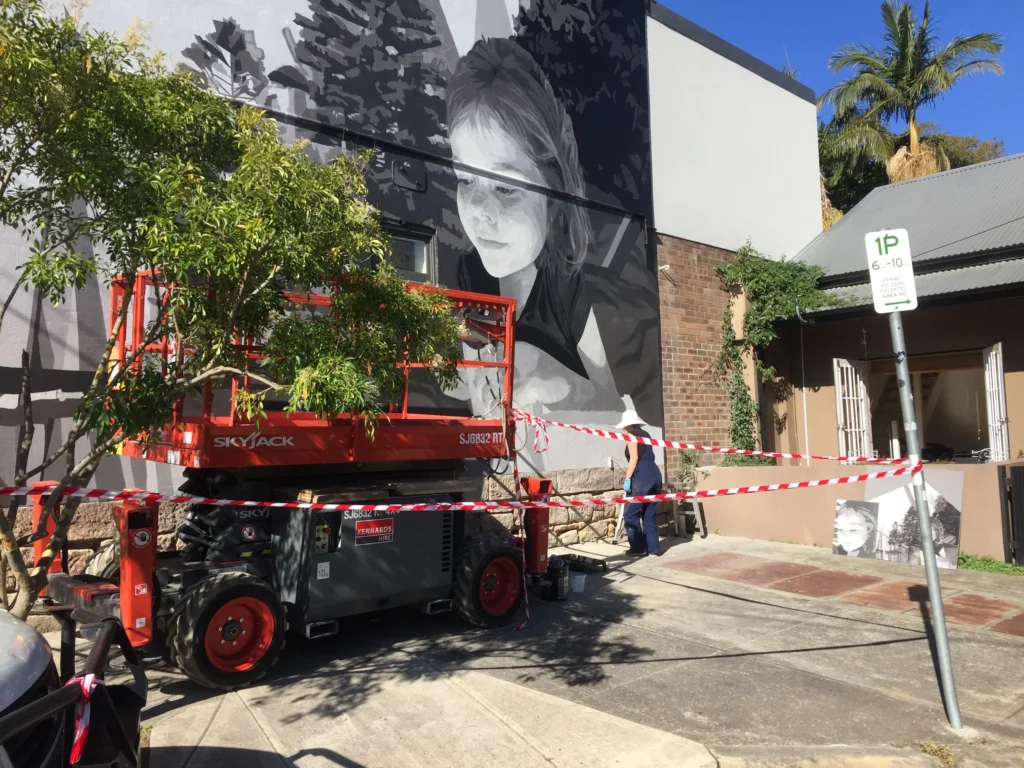
Margaret
Newtown /
Extension
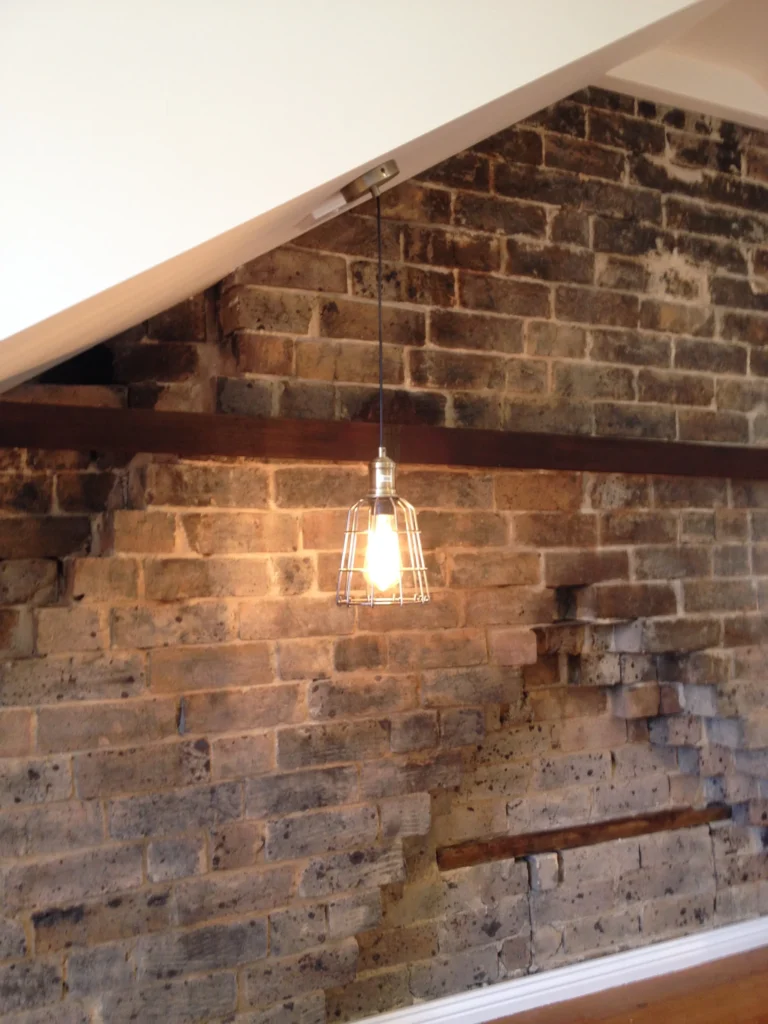
Ridge 1
Surry Hills /
Heritage
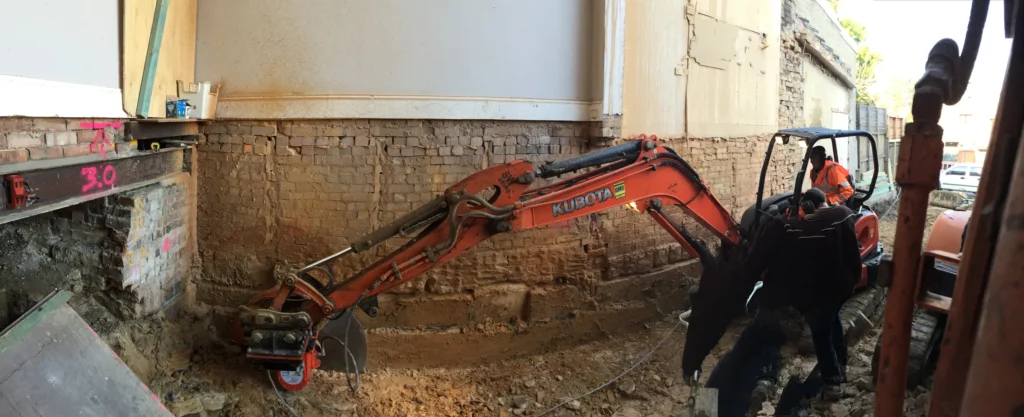
Darling
Glebe /
Renovation
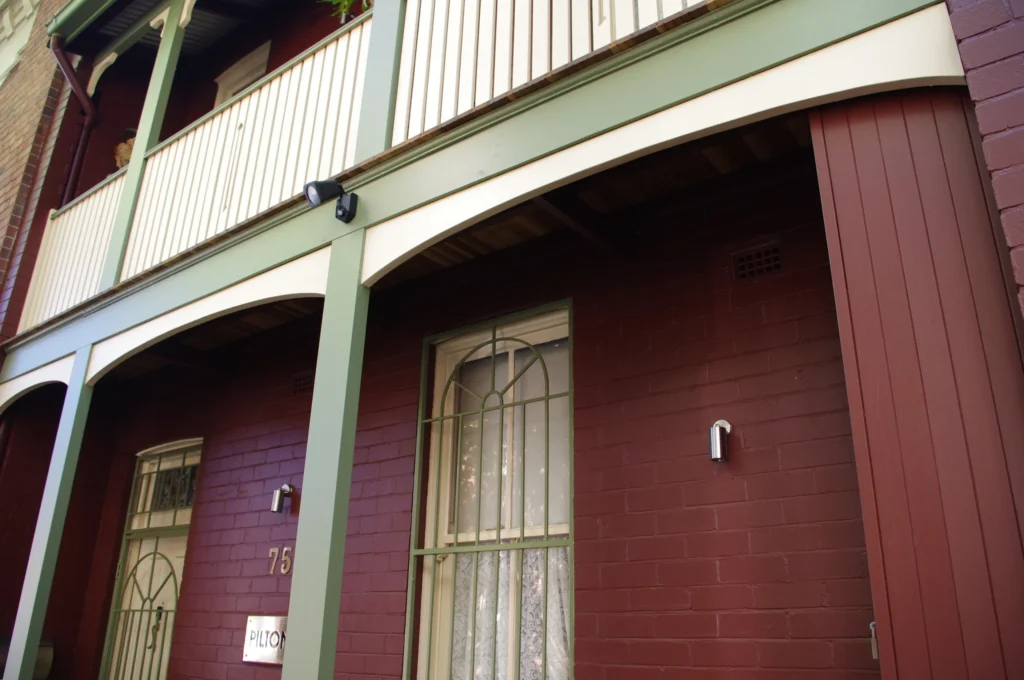
Balfour
Chippendale /
Renovation
Alston Ave
Alstonville /
Renovation
Common questions
How long does a renovation take?
It depends on the scope. A kitchen and bathroom renovation might run three to four months on site. A full internal renovation with structural work is usually six to nine months. A whole-home renovation with an extension can be twelve to eighteen months. Canstruct gives a realistic timeline as part of the scope of work, including the approval period before site work starts.
Should I use a private or council certifier?
Both are valid. A certifier (formally a Principal Certifying Authority, or PCA) is the qualified professional who signs off that your project complies with the relevant standards and inspects it at key stages. You can appoint a private certifier or use the council’s certification service. Private certifiers are often faster and easier to coordinate with through a build, which is why most of our clients use one, but either can do the job. Canstruct works with whichever you appoint.
What are CC and OC?
A construction certificate (CC) is the technical approval that confirms your approved project complies with the Building Code of Australia. It is issued by the certifier before work can start on site, after the development application has been approved. An occupation certificate (OC) is issued at the other end, once the building is complete, and confirms it is suitable to occupy. In short, the CC lets the build begin and the OC closes it out.
What is Home Owners Warranty?
Home Owners Warranty (sometimes called Home Building Compensation cover) is insurance the builder takes out on residential work above a set value. It protects you if the builder cannot complete the work or rectify defects due to insolvency, death or disappearance. The certificate is issued in your name before work starts, and Canstruct arranges it as part of entering contract.
What is a town planner and how can they help?
A town planner advises on what you can build on a site and how to get it approved. They understand the local environmental plan and council requirements, and can prepare or guide a development application, particularly on more complex or constrained sites. Not every project needs one. For straightforward work, your architect or designer and the council are usually enough. Where a project is unusual, sensitive or likely to attract council scrutiny, a town planner can save time and reduce risk. We can point you toward one, or you can approach council directly to talk through your options.
Do I need an architect for a renovation?
For substantial work, yes. An architect or building designer takes the brief, the site and the budget and turns them into drawings the council can approve and the builder can build. For smaller renovations like a single bathroom or kitchen, a builder can work from joinery and plumbing drawings directly. Canstruct works with architects and designers on most projects.
Do I need a DA?
It depends on the work. Internal renovations that do not change the building’s external form often do not require a development application. External changes, additions and most structural work do. Some projects qualify for a complying development certificate (CDC) instead, which is faster. Your architect or designer will advise, and Canstruct can talk you through the implications before plans are lodged.
Can we stay in the house during the build?
Sometimes. For a single-room renovation, usually yes. For a full internal renovation, usually no. The decision is partly practical (services down, dust, noise) and partly safety. Canstruct will be honest about what is workable during the scope conversation.
What's the difference between a renovation and an extension?
A renovation reworks the existing footprint. An extension adds to it. Many projects involve both. If your project includes both, you will see them treated together in the scope of work.
Areas we service

Mullumbimby and across the Byron Shire: Brunswick Heads, Ocean Shores, Byron Bay, Bangalow, New Brighton and South Golden Beach. Select renovation work in the broader Northern Rivers including Lennox Head and Alstonville. Sydney projects continue selectively for existing clients.
Talk to us about your renovation
If you are planning a renovation, the first step is a conversation. No-cost, no obligation, and we will come back to you within two business days.